Posted on

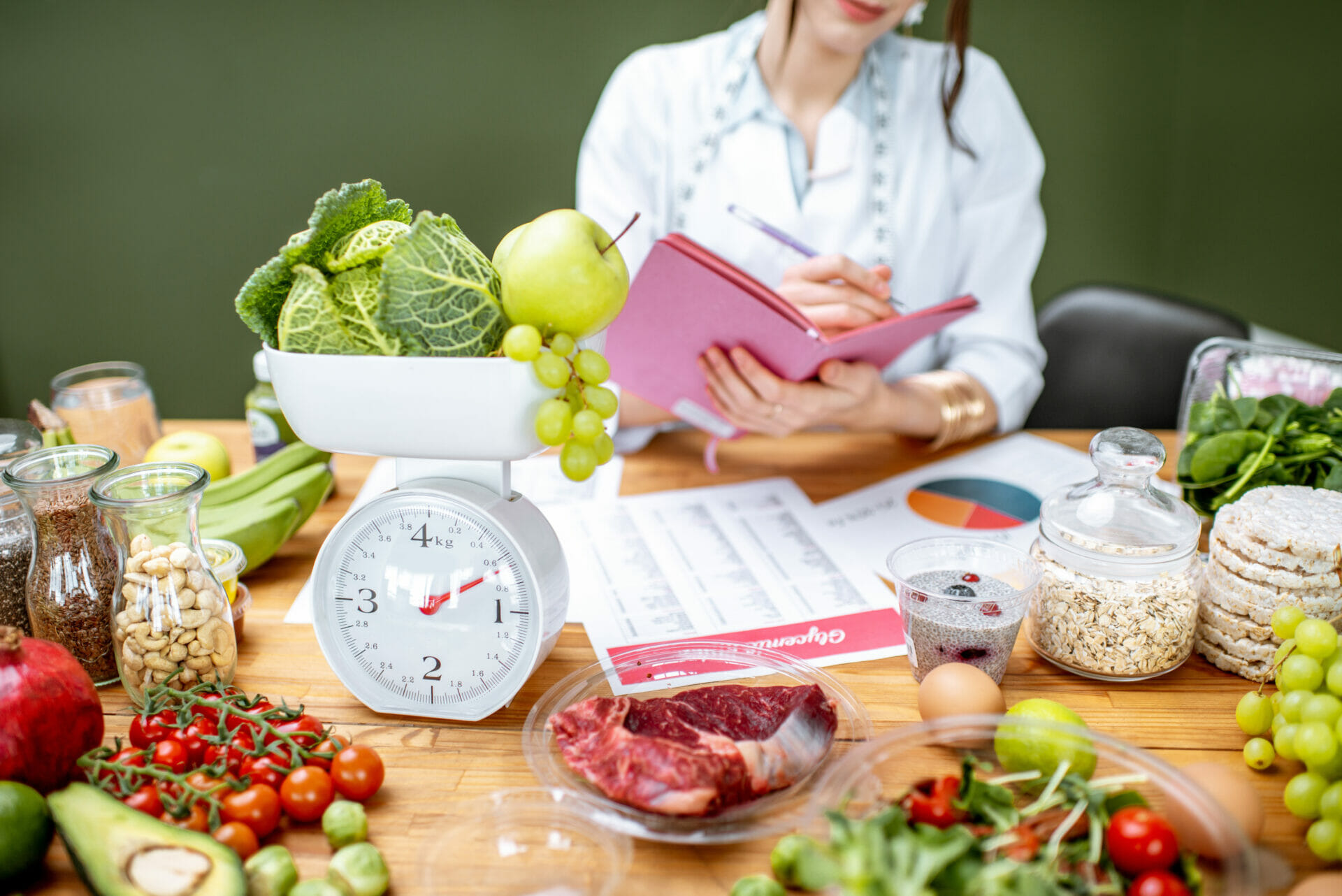
A compilation of 5 incredibly nutritious healthy food items

healthy food

Eating a variety of nutritious healthy foods is crucial for overall health. A diet rich in fruits, vegetables, and beans provides essential nutrients high in fiber, vitamins, and minerals like calcium, contributing to well-being. Choosing sources of healthy fats, such as those found in fish, supports heart health and reduces the risk of heart disease. Limiting the intake of sugars, salt, and processed foods is vital to maintaining a balanced diet. Learning about nutrition and dietary guidelines from sources like the NIH can aid in making informed food choices. For both children and adults, a daily intake of nutritious, low-calorie foods not only provides energy but also helps reduce the risk of chronic diseases. Prioritizing healthy eating habits can significantly impact one’s health, particularly for women, creating a foundation for a healthier lifestyle.

The National Institutes of Health (NIH) is the primary agency of the United States government responsible for biomedical and health-related research. It consists of 27 different institutes and centers, each focusing on specific areas of health and disease. NIH’s mission is to conduct and support research to advance scientific knowledge, improve public health, and develop innovative approaches to various health challenges.

Numerous foods offer both health benefits and delicious flavors. Incorporating a selection of fruits, vegetables, high-quality protein, and whole foods into your plate results in vibrant, adaptable, and beneficial meals.

Below are 5 nutritious healthy food and delightful options to add to your diet.

Fruits and Berries Fruits and berries are popular choices for maintaining health.

They offer sweetness, nutritional value, and ease of inclusion in your diet due to minimal preparation requirements.

  1. Apples contain fiber, vitamin C, and a multitude of antioxidants. They serve as a filling snack, ideal for staving off hunger between meals.
  2. Avocados Distinguished from most fruits due to their healthy fat content, avocados are not only creamy and flavorful but also rich in fiber, potassium, and vitamin C. Consider swapping mayonnaise for avocado as a salad dressing or spreading it on toast for breakfast.
  3. Bananas Rich in potassium and vitamin B6, bananas are convenient and easily portable.
  4. Blueberries Delicious and abundant in antioxidants, blueberries make a delightful addition to your diet.
  5. Oranges Recognized for their vitamin C content, oranges also offer high fiber and antioxidant properties.
  6. Strawberries are Highly nutritious while being low in both carbohydrates and calories; strawberries provide vitamin C and manganese, making them a delicious dessert option.

Other Healthy Fruits Additional healthful fruits and berries encompass cherries, grapes, grapefruit, kiwi, lemons, mangoes, melons, olives, peaches, pears, pineapples, plums, and raspberries.

Eggs are an incredibly nutritious healthy food.

Formerly criticized for their cholesterol content, experts now regard them as a valuable protein source with potential diverse benefits.

Meats Incorporating lean, unprocessed meats into a balanced diet is beneficial.

  • Lean Beef When consumed in moderation, lean beef is an exceptional protein source and offers highly bioavailable iron.
  • Chicken Breasts Low in fat and calories but rich in protein, chicken breast is a fantastic source of numerous essential nutrients.
  • Lamb and Mutton Sheep, often grass-fed, produce meat that typically contains higher levels of omega-3 fatty acids compared to omega-6.


Nuts and Seeds Despite their higher unsaturated fat content and calorie density, nuts and seeds have been linked to reducing the risk of cardiovascular disease, cancer, and other health concerns. They serve as a satisfying snack and may assist individuals in managing their weight.

healthy food

They require minimal preparation, making them easy to incorporate into daily routines, and can enhance the texture of salads and various dishes. However, individuals with nut allergies should avoid them.

  • Almonds, a popular nut, are rich in vitamin E, antioxidants, magnesium, and fiber. A 2021 review highlighted their potential contributions to weight loss, gut microbiota support, cognitive improvement, stress-related heart rate management, and skin aging prevention.
    Chia Seeds Nutrient-dense chia seeds offer a notable 11 grams of fiber per ounce (28 grams), along with substantial amounts of magnesium, manganese, calcium, and various other essential nutrients.
  • Coconuts provide fiber and medium-chain triglycerides (MCTs), a type of fatty acid.
  • Macadamia Nuts Delicious macadamias are higher in monounsaturated fats and lower in omega-6 fatty acids than most other nuts.
  • Walnuts Highly nutritious walnuts are packed with fiber, vitamins, and minerals. Pairing them with feta cheese makes for an excellent salad dressing.
  • Brazil Nuts Nutrient-rich with a creamy texture, they contain selenium, a mineral that supports thyroid function.


Vegetables, in terms of nutrients per calorie, stand among the most concentrated sources of nutritious healthy foods.

Incorporating a variety of vegetables into your diet ensures a broad spectrum of nutrients.

  • Asparagus Low in both carbohydrates and calories, asparagus is a popular vegetable rich in vitamin K.
  • Bell Peppers Available in various colors, bell peppers are crunchy, sweet, and rich in antioxidants and vitamin C.
  • Broccoli A versatile cruciferous vegetable, broccoli is rich in fiber, vitamins C and K, and contains a considerable amount of protein compared to other vegetables. It’s delicious, both raw and cooked.
  • Carrots Sweet and crunchy, carrots are a popular root vegetable packed with nutrients like vitamin K and carotene antioxidants. Ideal for snacking or paired with guacamole and other dips.
  • Cauliflower Highly versatile, cauliflower, a cruciferous vegetable, can be added to various dishes, whether curries, roasted with olive oil, or used raw in salads or for dipping.
  • Cucumber Refreshing and low in both carbs and calories, cucumbers mainly consist of water, offering small amounts of vitamin K and other nutrients.
  • Garlic A healthy and flavorful addition to salads and savory dishes, garlic contains allicin, recognized for its antioxidant and antimicrobial effects, potentially reducing the risk of cancer and cardiovascular disease.
  • Kale Rich in fiber, vitamins C and K, and other nutrients, kale adds a satisfying crunch to salads and various dishes. It can also be included in stir-fries or baked to create crunchy kale chips.
  • Onions With a robust flavor featured in many recipes, onions contain several bioactive compounds believed to offer health benefits.
  • Tomatoes While technically a fruit, tomatoes offer tastiness along with nutrients like potassium and vitamin C. Try growing them on your windowsill for added flavor.


Here’s a summary for building a healthy and balanced diet based on the guidelines:

  1. Prioritize Vegetables and Fruits:
    • Make half of your meal consist of a variety of vegetables and fruits. Aim for different colors and types. Note that potatoes don’t count as vegetables due to their impact on blood sugar.
  2. Choose Good CarbohydratesGrains:
    • Fill about a quarter of your plate with good carbs that support steady energy and blood sugar levels. This includes foods like sweet potatoes, carrots, parsnips and quinoa.
  3. Focus on Protein Sources:
    • Reserve another quarter of your plate for protein sources like fish, poultry, beans, and nuts. Limit red meat and avoid processed meats such as bacon and sausage.
  4. Moderate Healthy Plant Oils:
    • Use healthy vegetable oils like olive, canola, soy, etc., and avoid partially hydrogenated oils that contain unhealthy trans fats. Remember that “low-fat” doesn’t necessarily mean “healthy.”
  5. Hydration Choices:
    • Opt for water, coffee, or tea. Avoid sugary drinks and limit juice intake to a small glass a day.
  6. Stay Active:
    • Regular physical activity is crucial for weight control and overall health. Incorporate exercise and movement into your daily routine to complement a balanced diet.

The overall focus is on a varied and colorful diet rich in vegetables and fruits, with balanced portions of whole grains and quality protein sources. Complementing this with healthy oils and appropriate hydration choices while staying physically active will contribute to a well-rounded, healthy lifestyle.

If you require any assistance or advice, please reach out to Eat Burn Sleep; we’d be delighted to support you and provide additional recipes.

Eating a balanced and healthy diet composed of nutritious healthy food, including plenty of fruits and vegetables, can significantly help in maintaining overall health. Opting for lower-fat options, reducing your intake of added sugars and salt, and learning about dietary choices are crucial for a good nutritional balance. Choosing healthier fats over saturated fats, moderating sodium intake, and understanding these dietary elements can provide energy and support well-being, which is especially important for women’s health. Selecting lower-fat or non-dairy sources of calcium can further contribute to a well-rounded, healthy diet.

Posted on

10 Ways to Boost Your Immunity Quickly

Nutritionist for immune health, in front of a bowl of fruit and vegetables, with a measuring tape.

Fastest Ways to Boost Your Immunity Against Viruses

Hello Everyone! If you are in a part of the world experiencing seasonal changes, there is likely to be an increase in viral infections, and you could be looking for ways to boost your immunity quickly against viruses.

Exposure is inevitable, and it is essential unless you are advised to shield for medical reasons or are classed as vulnerable.

We need exposure but must also be highly cautious of viruses when underlying chronic inflammation exists. This has become even more evident in the last few years. If you have underlying chronic inflammation, your immune system is dysregulated, but you can change that and fight inflammation.

Boosting your immunity quickly by following the below will help most people do so while still enjoying life!

(Looking after your immune system throughout the year is good advice, not just when the seasons shift).


Here are 10 ways to boost your immunity quickly against viruses and ensure better health:

1. Eat Gut-healthy, Nutrient-rich Foods Regularly

Our immune systems need nourishment from a plethora of nutrients from foods.

Poor gut health is linked to weakened immunity and non-communicable diseases. Gut health is imperative to good health, and the diversity of your gut bacteria will dictate how nutrients are absorbed.

Getting it right will better prepare the body for excess inflammation and microbial attacks! Beneficial nutrients to boost your immunity quickly and ensure immune system regulation must be digested regularly, forming an excellent dietary pattern.

Try these two delicious recipes:

A bowl of Greek chicken soup with inflammation reducing turmeric, which has given it a wonderful golden colour. A healing soup.

Immune-boosting Chicken Soup

A plate of immune boosting energy balls

Immune-boosting Energy Balls.

2. Ensure You Get Enough Vitamin D 

90% of vitamin D is absorbed from the sun, essential for the immune system. There are safe ways to do this, and of course, there are challenges here, especially with seasonal changes.

If you have poor vitamin D absorption, like with ulcerative colitis, Crohn’s, and celiac, please follow the personalized advice for inflammatory bowel disease. It is an imperative protocol for good health and to put the conditions into remission, regardless.

If you are a vegan, live where sunlight is limited, or have any other reason that prevents you from getting the right amount of vitamin D, it’s worth reading through this health education platform, arming yourself with advice from a nutritionist and of course, eating nutrient-rich, gut-healthy foods. The bioavailability of foods is essential to boost your immunity quickly. However, some people need to take supplements.

Sunshine is good for your immunity.

Absorb sunshine as much as possible in cooler months, sit by an open sunny window, or obtain a S.A.D. lamp.

3. Keep Your Inflammation Down – through eating, moving, and sleeping (Eat Burn Sleep!) is the most sound advice for everyone!

4. Change Lifestyle Habits

Change any lifestyle habits that inhibit good health. An unhealthy lifestyle, which includes eating and drinking unhealthy foods and drinks most of the time, being overweight and underweight, following restrictive diets, lacking proper exercise, being sedentary, lack of fresh air, pollution, toxins, excess alcohol, smoking, drug abuse, poor sleep patterns, and stress weakens immunity defense.

A close up of a slim girl on her weighing scales.

5. Reduce Your Weight

Obesity is a chronic inflammatory condition, and you can reduce your weight by reducing the inflammation in your body. It is the safest, most effective way of reducing weight and boosting your immunity. Fat tissues produce adipocytokines, and these increase inflammation. Impaired T-cells stop the response of the immune system to pathogens. Also, it is worth knowing that with obesity, vitamin D is not readily available when needed because it accumulates in excess fat. This is reversible when you reduce chronic inflammation.

6. Put Your Autoimmune Disease Into Remission

Is that possible? Yes. I have two autoimmune diseases, so I created Eat Burn Sleep. Please read the other articles and magazine and newspaper features in the articles section.

Man taking ten minute mental break at the desk for good health.

7. Perform Regular De-stressing Techniques

Stress is so bad for your health, and it can affect gut health, affecting mental and physical health. Excess cortisol that is triggered, along with other hormones when you are stressed, leads to reduced immunity and increased inflammation.

The immune system, central nervous system, and endocrine system interact with each other.
When stressed, your sympathetic nervous system kicks in, shutting down the immune and parasympathetic nervous systems.

Have you heard my podcasts with Nick Potter about The Behavioral Immune and with Dr. Tamsin Lewis about Long Covid, Immunity, & Energy Levels?

When life feels like it is crashing around you, pay attention to your gut (70% of immune cells and 60% of feel-good neurotransmitters reside in a healthy gut) and de-stressing techniques.

It is vital to keep chronic inflammation at bay because chronic inflammation promotes anxiety, depression, and other diseases, as well as a weakened immune system.

Woman in bed smiling, fast asleep

8. Get Good Sleep 

Sleep is the foundation for good health! You only have to think about how you crave sleep when you feel ill and have a virus. Nothing can keep you awake. Your body tells you to lie down and heal!

A person who regularly sleeps for a good amount of time will likely have more antibodies than someone with fitful, irregular sleep. This is an excellent way to boost your immunity quickly.

Long-standing shift workers and insomniacs have turned their lives around on the Eat Burn Sleep reprogramming. Reprogramming your sleeping is possible. Check out the Insomnia personalized advice.

9. Stay Social 

It’s fundamental to our overall health and survival. Our emotional joy!

Studies show that people who socialize tend to live longer than those who are more isolated. Plus, dopamine is released when we mix and exercise.

Stay social for good immunity

10. Go For a Walk 

Walk with your family, your friends – or just yourself – and feel the pleasure and reward of the dopamine hit from doing so. You will release stress along the way, boost your immunity quickly and be outside!

Remember that a robust immune system can respond appropriately to the world around it and can defend the body against invaders, pathogens, and viruses!

I wish for you – the best immune health there is!

Posted on

Vegetarian to Meat Eater

Healthy female smiling preparing her health lunch.

Vegans and Vegetarians Who Want to Eat Meat Again

Hi Everyone! This post is for you if you are a vegan or vegetarian and want to eat meat – again, for the first time in years or ever!

Firstly, you should also know that we have personalized advice for re-introducing meat/animal products back into your life safely and healthily. Plus, this month’s personalized advice for members is the essential guide to optimum health for vegetarians!

Vegan and Vegetarian Health

Malnutrition Statistics

Vegan and Vegetarian Deficiencies

Symptoms of Deficiencies in Vegans and Vegetarians:

Vegan & Vegetarian Diet Supplements

Nutrition Advice for Vegans and Vegetarians

Nutritionist for optimum health

Vegan and Vegetarian Health

Firstly, it’s okay to eat meat again if you are looking at eating meat after being vegetarian. If you are reading this, then there is good reason. Maybe your mind and body are screaming at you to have animal protein.

With the added pressures of eating plant-based diets and the reasons why people become vegans and vegetarians, it can be a hard decision to switch back to eating meat.

I think many people can feel guilty when they decide to follow a particular way of eating and then find that they can’t eat that way and it isn’t sustainable. Micronutrient malnutrition can also cause low moods and less-than-optimum mental well-being.

It happens all the time with so many popular diets. Like Keto, Atkins, Raw Food, and Low-calorie diets, for instance. There may be ethical or cultural reasons behind your choice, but many diets are unsustainable or nutritionally sound.

Man with a headache, indicating malnutrition

Many diets can make you unwell and not satisfied nutritionally. Sometimes without realisation.

You may not be concerned about the impact of a vegan or vegetarian diet on your health. You may have switched to veganism for weight loss or from another diet because the doctor says your cholesterol is high or something, and you feel better at the moment.

Although there are statements all over the internet that say veganism and plant-based diets can reduce your risk of developing disease, this is not necessarily the case if you are not eating everything you need daily for optimum health. Numerous studies state that following a vegan diet can lead to skeletal, nervous, and immune system impairments, as well as anemia and depression.

Any diet that is not balanced and contains a lot of meat, or too much or too little of anything, puts you at risk of chronic disease. Everyone needs to know how to eat for optimum health!

Nutritionist explaining nutrition facts label to a client, close-up


Many restrictive diets (and those you would not define as restrictive) can cause deficiencies, leading to chronic inflammation.

Chronic inflammation, sustained inflammation running all the time (not just as a protective reaction to trauma or injury), is linked to the leading causes of death. 78% of deaths related to diseases have chronic inflammation pathways.

Chronic inflammation leads to neuroinflammation, which increases anxiety, depression, brain fog, mood swings and irritability, a decline in cognitive functions, and so on.

Malnutrition Statistics

Many of the world’s population has malnutrition, and an unhealthy diet, which means nutritional needs are not met, is a significant contributor to malnutrition.

Malnutrition is defined as deficiencies, imbalances, and excesses of nutrients. Malnutrition increases chronic inflammation and ill health (see below).

There’s:

  • – Undernutrition
  • – Diet-related imbalances lead to chronic inflammation and autoimmune diseases like obesity, diabetes, cancers, heart disease, IBD, arthritis, mental health issues, fibromyalgia, etc. 
  • – Inadequate micronutrient intake. 


According to the World Health Organisation, 149 million children under five are affected by malnutrition through their height. Forty-five million were estimated to be too thin, and 38.9 million were obese.

1.9 billion adults are overweight or obese, and 462 million adults are underweight.

Low-to-middle-income countries have a high rate of obesity and malnutrition.

According to the Malnutrition Task Force, 1.3 million people over 65 have malnutrition in the UK.

Not eating a good balance of the proper nutrients and micronutrients affects everyone throughout our lives!

Vegan and Vegetarian Deficiencies

Many deficiencies come from missing out on the essential daily required nutrition. Not just for vegans and vegetarians. Most people have dietary inadequacies and need the assistance of a nutritionist.

The types of iron consumed are essential. Without this, oxygen cannot be circulated, and body homeostasis is not maintained. Plus, there are Gut microbiota that improve the absorption of iron. These Gut microbiota are promoted with essential daily vitamins not found in a vegan diet, for instance.

Young vegetarian couple standing with boxes full of fresh vegetables outdoors on the gray wall background

Essential nutrition for life and keeping disease at bay is generally lower in vegans or plant-based diet eaters. The overlooked side of veganism could be dangerous for many, as explained in a study by Bali & Naik (2023).

Hundreds of studies have been reported on nutritional intake for vegans and vegetarians that show inadequate intake. These essential micronutrient requirements for optimum health are only obtained from animal products.

If you are considering eating meat after being vegetarian, it would be best to consider B12, zinc, iodine, calcium, PUFAs, etc., with veganism and vegetarianism. (Head over to personalized advice for nutrition help for vegans and vegetarians. We cover all sorts of science-backed supportive advice for vegans and vegetarians, like:

  • – eating meat after being vegetarian and vegan

  • – how to eat and what to eat (with 300+ recipes)

  • – vegan guilt

  • – worries about eating meat and getting sick after veganism

  • – being vegetarian and eating meat again has side effects

  • – how to shop for anti-inflammatory groceries on a budget

  • – your Gut microbiome…and the list goes on!

Doctor nutritionist, dietician and female patient on consultation in the office. young smiling female nutritionist in the consultation room. Nutritionist desk with healthy fruit and measuring tape.


Follow this anti-inflammatory diet and lifestyle for all nutrition concerns when you have been eating a restricted way for a while or have malabsorption issues like with any inflammatory bowel disease.

There are essential vitamins necessary for crucial metabolic roles across your whole life span, during development (before you are born), throughout your childhood and adulthood, and later years.

This applies to people with too much of one thing and not enough of another, not just if you are considering eating meat after being vegetarian. (Many meat eaters think they are okay, too, but they may not have enough essential daily vitamins. They, too, are at risk. It’s why nutritionists and dieticians exist!).

Protecting your mind and body, ensuring proper nutrient absorption, and meeting daily nutrition values are essential for optimum health. We do it here through gut health, reducing inflammation, regulating the immune system, liver detox, and so on.

Check out the article: Help With Anemia, B12, and Iron Deficiencies.

Female vegan and vegetarian nutritionist working at desk and writing medical records over fresh fruit in the consultation.

Symptoms of Deficiencies in Vegans and Vegetarians:

  • Iron-deficient anemia

  • Pernicious anemia

  • Fatigue

  • Weakness

  • Depression

  • Anxiety

  • Mood swings

  • Confusion

  • Lack of coordination

  • Headaches

  • Shortness of breath

  • Palpitations

  • Lack of energy

  • Vision issues

  • Pins and needles

  • Myelin shaft damage

  • Walking issues

  • Cold hands and feet

  • Nausea

  • Cravings

  • Appetite loss

  • Heart murmurs

  • Weight gain

A man in blue pyjamas in lying awake in bed, looking unhappy.


Vegan & Vegetarian Diet Supplements

The recommended daily intake of supplements for vegans is for people who already eat a balanced and nutritious diet. Plus, as I always say, supplements do not match the bioavailability of good food, and your vegan diet supplements could be full of inflammatory ingredients. Eating meat after being vegetarian needs good consideration.

Try these vegan recipes: Slow Cooker Indian Vegetable Curry and Carrot & Quinoa Salad.

Read these articles for more information about inflammatory ingredients in the form of supplements and medication:

Is AG1 Supplement Good for You?, Side Effects of Antibiotics & IBD, NSAIDs, and Gut Health & Inflammation.

Closeup of young woman holding vitamin capsule while taking supplements with glass of water at home

Nutrition Advice for Vegans and Vegetarians

If you are a vegan or vegetarian with concerns about nutrition and want to eat meat again, join us! We can help you facilitate the transition and help you achieve optimum mental and physical wellness.

There are many vegetarian and vegan recipes on this anti-inflammatory diet and lifestyle, along with others, so you will eat well and be well.

If you are thinking about eating meat after being vegetarian, it won’t just be your vegan or vegetarian diet that you change. You will protect yourself from chronic disease, age-degenerative neurological diseases, and anything genetic.

Plus, you won’t be disappointed about the incredible side effects.

You can book a 15-minute Zoom with me if you have any questions, connect with us in the forum, or start immediately by going to the personalized advice section.

I wish you and your family good health and wellness.

Posted on

Depression, Anxiety & Gut Health

Depressed Sad Young Girl With Headache Sitting

Reducing Depression and Anxiety Naturally

Hello Everyone! It’s hard to believe that what you eat today and tomorrow may have you waking up feeling sad, anxious, or moody the next day.

The last thing you may be thinking about if you are prone to depression and anxiety is what you are eating. You could be reaching out for unhealthy options, overloaded with caffeine and sugar, and not sleeping well, too.

Getting through the day could feel like wading through mud, and you are doing whatever you can to get through it!

This post is about depression, anxiety, and how gut health is so powerful that it can help you tremendously. Small steps will help. Please do share with anyone who is suffering. It could be the lifeline they need.

Treating Depression Safely and Naturally

Lifestyle Factors and Depression

How Does Gut Health Reduce Depression?

What Changes Gut Health?

A Diet Rich in Anti-inflammatory Prebiotic Compounds

Anti-inflammatory Diets Are Neuroprotective

Exercise and Depression

Improve Brain Health

Depressed, anxious female being comforted by her female friend.

Treating Depression Safely and Naturally

Depression is the second most common cause of disease-induced disability. An estimated 280 million individuals suffer from depression, and many factors contribute to depression.

Some factors you cannot control, but two major factors that you can control are diet and lifestyle. It is safe, natural, and starts working quickly.

Studies show more and more that depression and anxiety can be treated naturally by changing what you eat and how much physical activity you do. Before we go any further, I don’t mean hitting the gym seven times a week! Far from it, actually.

As I have mentioned before in Come Off Antidepressants, medical students are now being taught to look at diet and lifestyle interventions for patients with symptoms of depression and anxiety as a first course of action.

Male lecturer teaching medical students in university

In most cases, with a diet and lifestyle intervention for depression and anxiety, the symptoms go away.

I continually come across studies that back this up, but the proof to me, through studying the link between gut and mental health, is the number of Eat Burn Sleep members who have told me that their depression and anxiety have lifted. I know how I feel myself and how I felt before I studied gut health and changed what I ate and did each day.

Lifestyle Factors and Depression

Multiple lifestyle factors and depressed mood were studied by Sarris J., Thomson R., Hargraves R., et al. (2020). A cross-sectional analysis of 84,860 participants with major depressive disorder and those without depression showed that a healthy diet and optimal sleep duration were significantly associated with less frequency of depression.

Aguilar-Latorre, Oliván-Blázquez, Pérez Algorta, et al. (2023) conclude that health education and lifestyle modifications significantly reduce depression. The study included six weeks of health education on diet and lifestyle changes.*

Young guy attending online training or webinar from home, sitting on couch in front of coffee table with laptop, using headset, taking notes, copy space. E-education, online class, training concept

The key is to continue the health education and the diet and lifestyle changes. Health education will teach behaviors that become automated. You start living an anti-inflammatory way without even thinking!

How Does Gut Health Reduce Depression?

Gut microbiota has critical roles in the immune system (70% of our immune system resides in our guts. GALT – gut-associated lymphoid tissue). It also has a role in the central nervous (brain and spinal cord) and endocrine systems (glands that make hormones, the body’s chemical messengers).

Behavior, mood, and response to stress can all be affected by gut bacteria because gut health affects the immune system, nervous system, and endocrine system.

These, in turn, all affect each other.

A young man holding his gut and looking happy, indicating the gut and brain health connection.

There’s more about the gut-brain axis and how the gut influences the brain and the brain influences the gut in this article: Depression Diet & Lifestyle Intervention. 

Have you read How Do You Live With IBS and Anxiety? Do You Often Feel Like Crying? Why Are You Moody and Irritable?

You may enjoy listening to the podcast Using Sounds to Calm Your Mind with my guest Athena Ko, aka The Gong Girl, Food Additives & Your Microbiome with Dawn Sherling, and Emotional Health Strategy with Steve Burns.

What Changes Gut Health?

While gut microbiomes are unique to us, any change can upset the production of intestinal bacterial fermentation that regulates intestinal adaptive immune responses and affects the production of feel-good neurotransmitters.

If you eat meals laden with chemicals and compounds that the harmful bacteria in your gut like, you will help the harmful bacteria grow. They will tell your brain to seek more, too! 

A bowl of prawn stew bursting with colour, topped with herbs.
Delicious Gut Loving Brazilian Prawn Stew.


If you give your gut microbiota foods that encourage good bacteria, they will grow! Then, these guys ask for more of the good stuff, too! 

It’s not limited to food, though. Again, read the above article for more about depression, anxiety, and gut health. 

Whatever you eat or do will put your gut in a healthy or unhealthy state.

An unhealthy state will dysregulate your immune, as mentioned, and increase chronic inflammation, which increases neuroinflammation (inflammatory response in the brain and spinal cord).

Carabotti, Scirocco, Masselli, and Severi (2015) noted the bidirectional relationship of the emotional and cognitive parts of the brain with peripheral intestinal functions.

Have you tried these gut health recipes yet?

A bowl of chicken sop with limes, chili peppers, noodles, bell peppers, garlic and stock.

Asian Chicken Soup With Konjac Noodles

A bowl of frozen blueberries, bananas, pecans and chopped nuts.

Banana & Blueberry Nice Cream

A Diet Rich in Anti-inflammatory Prebiotic Compounds

Scientists Eliby D, Simpson C, Lawrence A, et al. (2023) examined the associations between diet quality and anxiety and depressive disorders. They looked at how diet can implicate mental health and concluded that diet interventions had consistently significant, positive effects on depressive symptoms.

Eliby, Simpson, Lawrence, et al. also noted the strong evidence that a diet rich in anti-inflammatory, prebiotic compounds and other lifestyle modifications provided a more integrative approach.

Anti-inflammatory Diets Are Neuroprotective

Indeed, further studies below recognize the benefits of a gut-health, anti-inflammatory diet.

Dietitian surrounded by healthy food, making a gut health nutrition plan in the office

An anti-inflammatory, neuroprotective, prebiotic diet is associated with reduced rates of depression, as they are rich in a wide variety of bioactive compounds, minerals, vitamins, and so on, as stated by González R, Ballester I, López-Posadas R, et al. (2011).

The effects of an anti-inflammatory, neuroprotective, prebiotic diet are demonstrated further in a study about the dietary intake and risk of incident depression in midlife and older women by Chang S-C, Cassidy A, Willet WC, et al. (2016).

In a study by Bienenstock J, Kunze W, Forsythe P, et al. (2015) on microbiota and the gut-brain axis, it was noted that diet could change the profile of gut microbiota and behavior. They quote that the effects of bacteria on the nervous system affect the immune system because they are in constant bidirectional communication.

A female smiling taking a walk in the autumn

Exercise and Depression

Exercising may be so far away from what you want to do when you are prone to depression and anxiety. The sofa or bed may seem a better option when you are depressed and anxious.

In a review in the British Journal of Sports Medicine by Singh B, Olds T, Curtis R et al. (2023) on the effectiveness of physical activity interventions for improving depression, anxiety, and distress, they looked at the evidence in 1039 trials, that included 128, 119 participants.

The conclusion was that physical activity is highly beneficial for improving symptoms of depression, anxiety, and distress across a wide range of adult populations, including people with diagnosed mental health disorders and people with chronic diseases. The concluding remarks were: Physical activity should be a mainstay approach in managing depression, anxiety, and psychological distress.

Smiling cheerful fit woman resting while sitting on yoga mat indoors

Some exercises contribute to chronic inflammation, neuroinflammation, and depression, though. Follow the Movement Guide, Members.

Improve Brain Health

There’s no doubt that gut microbiota influences our brain health. Gut microbiota is impacted by physical exercise. And vice versa. Eating for gut health will improve your brain health.

Then, when you feel lifted, you will feel like starting those twenty/thirty-minute movements at home. Before you know it, you will be doing them daily alongside your gut-health diet and enjoying them.

Until one day soon, you can say that you are feeling so much better, and it continues. Life can feel brighter again daily.

Female student with headphones on learning online, smiling.

Getting the synergy is essential, and it will happen.

*As the study mentioned above, lifestyle changes and health education for depression showed significant recovery. This health education platform and our nutritionists’ help in the forum are accessible every week of the year. Not just six!

Check this article about what an anti-inflammatory diet and lifestyle can do for you.

As always, I wish you good gut health and happiness!

Posted on

What Is Gut Health?

A female making a heart with her hands over the gut area. Face not seen.

How Does Gut Health Affect Us

Hi Everyone! I talk about gut health all the time, as you know, and how it can change and lead to chronic inflammation and immune dysregulation.

There is still a lot of wonder about gut health, though. Why do we need good gut health? What exactly is gut health? Is gut health just another trend until the next health trend? Does gut health matter?

Gut health really matters! It is vital to good health. It isn’t a passing health trend.

It’s important that we all know how to make and keep our guts healthy. It is linked to chronic disease and to the leading cause of death.

It isn’t just food that we need to look at, although that’s a good place to start.

I hope that you will be as fascinated about these tummy bugs as I am. It’s amazing that they are imperative to good health. Read on and share!

What Is Gut Bacteria?

How Do You Get Good Gut Health?

Why Is Gut Health Trending?

How Do You Know If Your Gut Health Is Balanced?

What Is the Fastest Way to Improve Gut Health?

How Can You Improve Gut Bacteria?

How Do You Fix Gut Health ASAP?

Why Does Gut Bacteria Change?

How Can I Drastically Change My Health?

What Does Gut Bacteria Do?

The Causes of Bad Gut Health

What Are the Signs of an Unhealthy Gut?

What Meals Are Good for the Gut?

Why Do I Need Good Gut Health?

Probiotic bacteria. Beneficial substances for gastrointestinal tract. Human stomach in phone. Probiotic bacteria and microorganisms. Concept apps for taking care of body. Probiotic Immunity. 3d image

What Is Gut Bacteria?

Your gut health is the entire digestive system, running from your esophagus to your bowel, and it is full of microbes!

Your gastrointestinal tract harbors a complex colony of trillions of different microbes and thousands of species of gut bacteria, fungi, viruses, and parasites.

Suppose you can imagine this vast, industrial network of cell signaling and pathways with proteins, metabolites, peptides, etc., in the layers of the GI tract. In that case, you get a rough idea of the gut microbiome.

Most microbiota are symbiotic (which means that microbiota and the body benefit), and some are pathogenic (disease-promoting).

These microorganisms, which consist of viruses, fungi, protozoa, and microbiota, weighing in at around 4-5 lbs, all co-exist quite happily in a healthy person.

Our diverse gut microbiomes are paramount to good health. 

Female, pregnant, sat on her bed, smiling and holding her tummy.

How Do You Get Good Gut Health?

Your gut health started before you were born. That was when the first colonization occurred.

We got some from our mothers, who got their first exposure from their mother, who got hers from her mother, and so on.

Since the second we were born, we inherited and acquired trillions of bugs all over and inside us called microorganisms.

Our gut microbiome is unique to us, and it is there to protect us.

Some of our microorganisms are ancient because they have been passed down from mother to mother!

What they were exposed to was passed down, and so on.

A Grandma, Mother and Daughter lying on the floor next to each other, smiling, looking at the camera.

This links to an intriguing report about the existence of ancient microbes in our microbiome by Dr. Rook, University College, London.

These trillions of microorganisms and their genes support critical functions, which has allowed us to evolve. In return, they get what they need to survive from us!

These ancient microbes prevented the body from attacking its tissues and resembled that of the natural environment.

Why Is Gut Health Trending?

Gut health is trending because it has been realized that good gut health is imperative to good health. Gut health is real and not a fad.

Healthy eating balanced diet weight loss concept. Cropped close up photo of professional nutritionist showing good balance with hands on her stomach isolated over grey background

Please be warned about unqualified people on social media giving out gut health advice, gut health hacks, gut health weight loss tips, and so on. You could damage your gut health and open up your body to the risk of disease. I always advise that you take gut health nutrition and gut health diet advice from a qualified gut health expert/nutritionist/doctor who has studied gut health.

So, gut health is not a passing health trend. I have spent years studying gut health and chronic inflammation, and it is crucial to good health.

How Do You Know If Your Gut Health Is Balanced?

A balanced microbiota stimulates the immune system and synthesizes amino acids and vitamins. It also assists in breaking down toxic compounds, providing protection from organisms that enter the body through contaminated food and drink.

You would know about it if your gut health is unbalanced. Once you know how to look after your gut health, when it becomes unbalanced, you will feel it.

3d rendered image of a man with his gut highlighted.

What Is the Fastest Way to Improve Gut Health?

In the past, we lived under timber and close to dung and thatch. We had pantries, not refrigeration. Bacteria were more abundant, and we were exposed to them more than they are today.

Nowadays, our homes are made with manufactured products, people clean too much, and there are chemicals everywhere!

We miss that connection to the past and do not have the microbiota to deal with these extremely clean environments.

Unless we live on a farm in a natural environment or with pets! (If you think of the powers of earthing and maximizing our exposure to nature and our connection to early antioxidants).

Having good hygiene is important to avoid infections, but too much is not good for your health.

Close up a man's hand and hand sanitiser being used.

The Lifestyle Guide has more gut health information. It will help you look after your gut health, keep sickness and disease at bay, and have you feeling fantastic – every day! Start with the potent, popular 6-week Reset.

How Can You Improve Gut Bacteria?

You can improve your gut bacteria by following an anti-inflammatory lifestyle that has a focus on gut health.

Exposure is key to protection!

If we are never exposed to something, we won’t have the bugs to deal with it when we do. This is why if you have never come across a certain germ and then you are suddenly exposed to it, your body reacts. 

It’s all about diversity, remember. Your good bacteria will thrive if you do something that encourages it.

Boys planting and playing with the earth.

So, the first exposure is entirely down to our mother’s/DNA species of microbiota but also depends on how we are delivered into the world. Vaginally delivered (and position), we have microbiota resembling our mother’s vagina microbiota. C-sections would harbor microbes from a mother’s skin.

The microbiota we were born with is not very diverse but soon alters as we adapt to our surroundings so that we can digest the food we are given and deal with germs and what is around us. This cultivates a diverse, anti-inflammatory microbiome.

A baby in America is exposed to different bugs than a baby in Europe, for instance.

As we go through life, as we have changing environments, lifestyle habits, and so on, gut health corresponds with how you live.

So, if we feed the good bacteria with good nutrients, they thrive. If we feed it with damaging foods, then the damaging bacteria grows. They, in fact, like anything living, will want to survive and send signals to your brain for more damaging foods! They are that powerful!

A female holding an image of a gut in the area of her gut, signifying gut health.

How Do You Fix Gut Health ASAP?

We have bacteria all over us as the first line of defense – on our skin, in our airways, and in our guts. If we don’t give the bad bacteria any reason to grow, we stay healthy.

Gut bacteria become harmful when a healthy diversity is not encouraged. This affects the immune system, and ruins the line of defense, and that is when we are susceptible to disease. See the list of reasons below why gut bacteria change.

You can fix gut health ASAP by joining our gut health community!

Why Does Gut Bacteria Change?

Gut bacteria change with everything we do and are exposed to.

Exposure in infancy protects a child from developing weakened immune systems later in life that are sensitive to pollen, benign germs, and dust.

A mother and her baby lying on white sheets, smiling.

Likewise, exposure to chemicals in infancy can affect these gut microbiota. Did you read: Why Aspartame is Linked to Cancer? Exposure to aspartame is linked before you are born if your mother drank aspartame-laden drinks without knowing about the dangers. It has only been exposed as a carcinogen recently, despite scientists crying out for it to be banned for decades!

There are more risks of being susceptible to chronic inflammatory conditions and autoimmune diseases later in life without the correct quantity and quality of germs in childhood.

It’s really important to be exposed and not shielded unless it is chemicals!

Have you read Low-calorie Foods for Weight Loss and listened to my chat with Dr. Dawn Sherling on Food Additives & Your Microbiome and about The Behavioral Immune System with Nick Potter?

I talk all the time about how medication can cause gut dysbiosis and keep you in a perpetual state of sickness, so to speak. I found this out when I was researching what was wrong with me and how I could fix myself with two autoimmune diseases. Read NSAIDs, Gut Health & Inflammation.

Tablets, pills, medication, medicine on a table, in a bowl and in hands.

So, everything we are exposed to as we grow, along with our diets, habits, and environment, shapes our microbiota communities. This bug community can change the body into a healthy state or one at greater risk of disease.

Mental and physical health change bacteria. Stress and depression can change your gut bacteria. The wrong exercise can change it, too.

Being with people has an effect on gut bacteria.

Sleep affects gut bacteria! If you don’t get good quality regular sleep, your gut health will be affected. Have you read Weight Loss and The Link To Sleep?

And vice versa! It all works symbiotically together.

A man and woman cuddling and smiling at the camera.

How Can I Drastically Change My Health?

You can drastically change your health by joining this anti-inflammatory lifestyle. 

Your gut health will improve dramatically, and the benefits are astounding.

You see, some bacteria in your gut may grow depending on what you are exposed to and what you eat. Others may disappear or shrink, which influences the immune system in the gut and in our adaptive immune system.

There’s a whole array of activities involving antigens, innate cell types, neutrophils, T cells, and B cells, for instance, that go on in the gut that displays how the microbiota has a profound effect on both the innate and adaptive immune system. A study by Wu & Wu (2012) explains it in detail.

Microbiota can change or become fixed due to being too hygienic, even.

Having a low microbial load due to being too clean in modern life can have a powerful effect on our immune response because it will either not be tolerant or will create inflammation.

Gastroenterological manual. A model of the human intestine in the hands of a doctor. Taking care of digestion. Intestinal health. Large and small intestine in doctor hands.

What Does Gut Bacteria Do?

Our composition of microbiota has a crucial influence on our health. As I mentioned, it aids nutrient metabolism, breaks down toxic compounds, and protects against contaminated food and drink. It also ensures that the gut barrier is strong. 

Indeed, our microbiota is an intrinsic regulator of immune responses.

Gut microbiota plays a vital role in the development of immune homeostasis, including the development of gut-associated lymphoid tissues.

70-80% of immune cells (Gut-associated Lymphoid Tissue) reside in the gut. GALT is an essential component in protecting the body from pathogens. In fact, studies show that it is microbiota from before we are born that is involved in generating innate immunity during growth and development. 

Gut microbiota and gut-associated lymphoid tissue are essential players in the pathogenesis of various diseases.

Close up of a woman eating three donuts. Gut health and unhealthy diet.

The Causes of Bad Gut Health

An unbalanced microbiota results in gut dysbiosis, leading to chronic disease through (but not limited to):

  • *An unhealthy diet, including calorie-restrictive and extreme diets (not all popular diets are good for you!)
  • *A compromised immune system (you can be born with or acquire a weakened immune system)
  • *Overstimulated bowel functions (malnutrition through inflammatory bowel conditions like Crohn’s, colitis, and diverticulitis)
  • *Older age (influenced by personal factors)
  • *Lifestyle
  • *Obesity 
  • *Medication (often to ‘treat’ disease causes more disease)
  • *Antibiotics (wipe out a gut microbiota richness and diversity within four days)
  • *Recurring bouts of acute inflammation (pneumonia, viruses: colds, flu, Covid)
  • *Auto-inflammatory diseases
  • *Stress 
  • *Illness (a vicious cycle)
  • *Environment (toxins, cleaning products, plastics, solvents, pesticides, cigarette smoke, mercury, and so on)
  • *Sleep deprivation
  • *Certain exercises
  • *Isolation (not socializing significantly alters gut microbiota).


Medication is not good for gut health.

What Are the Signs of an Unhealthy Gut?

Dysbiosis (when an altered interaction between immune cells and microbiota occurs) makes the body susceptible to disease. It increases intestinal permeability (leaky gut syndrome) and opens up the chronic inflammation pathway!

When you realize how gut microbiota can get unbalanced, and contributing factors like highly processed and calorie-controlled diets, along with other factors mentioned above, you can see the link with the rise in chronic inflammatory diseases like obesity, diabetes, depression, cancer, and autoimmune diseases.

There are currently, 10 percent of the population with autoimmune diseases, and 78% of deaths worldwide are linked to chronic inflammation.

It seems that everyone has conditions that are related to the gut microbiome!

A woman in exercise gear with a measure tape around her waist, indicating weight loss.
Member’s results of living the EBS Gut-healthy Anti-inflammatory Lifestyle.

What Meals Are Good for the Gut?

You can find 300+ gut-health recipes when you sign up for this gut-health diet and lifestyle. They are globally inspired, so you get to travel around the world while you are making yourself super healthy, too! Try these taster dishes: Moroccan Burgers, Sicilian Eggplants, Asian Chicken Soup With Konjac Noodles, Mediterranean Roast Chicken & Vegetables, and Coconut & Cacao Loaf.

Why Do I Need Good Gut Health?

Having good gut health not only protects you from disease but can help you age well and keep you looking and feeling young, as long as you incorporate other lifestyle factors. Good gut health assists in looking after your skin, hair, eyes, mood, and cognition, and it helps relationships! It’s true.

If you have good gut health, you are most likely to be a better friend, and seeing people that you love spending time with is good for gut health, too. As I mentioned above, staying social is important for your gut health and immune health!

The wonderful thing is, is that with the right manipulation, you can make your gut microbiome into a healthy, diverse community.

You just need the right tools!

Posted on

NSAIDS, Gut Health & Inflammation

A female holding a pill and a glass of water, face not seen.

NSAIDS May Ruin Your Health

Hello Everyone! This post is all about NSAIDS, the nonsteroidal anti-inflammatory drugs most prescribed for anti-inflammatory conditions that many people use for pain.

The trouble is that depending on how often you use NSAIDS, they can worsen your condition. I will explain. Read on, and share!

What Are NSAIDs?

Common Side Effects of NSAIDs

How Many People Use NSAIDs Daily?

Why NSAIDs Are Bad For Your Health

What Are Chronic Inflammation Conditions?

Do NSAIDs Cause More Pain and Inflammation?

What Is An Alternative to Taking NSAIDs?

A female holding four blister packs of medication.

What Are NSAIDs?

NSAIDs are nonsteroidal anti-inflammatory drugs; the medications you can buy over the counter, like ibuprofen, naproxen, and aspirin, are also prescribed by a doctor, like diclofenac and celecoxib.

Many refer to them by their brand name, like Advil, Aleve, and Celebrex. They are used for acute and chronic pain, fever, and inflammation for many conditions, except for low-dose aspirin, which is used to prevent heart attacks and strokes).

Common Side Effects of NSAIDs

Depending on how much you use them, there are side effects to longer, regular use.

The common side effects of NSAIDs are listed on the boxes as warnings and safety concerns. Several include kidney, liver, GI toxicity, respiratory, organ damage, and cardiovascular adverse effects. Bindu, S., Mazumder, S., & Bandyopadhyay, U.(2020).

A brown-haired female holds painkillers and indicates tooth pain.

Many studies link NSAIDs to peptic ulcer disease and colitis, like this study by Tai & McAlindon (2021).

Numerous studies talk about the severe side effects of using NSAIDs daily. In the British Journal of General Practice, Davis & Robson (2016) look at the dangers of NSAIDs and call for an urgent need to consider their safety.

How Many People Use NSAIDs Daily?

In a study by Gunaydin & Bilge (2018), an estimated 30 million people worldwide took NSAIDs daily!

An estimated 10 million people over 60 in the UK use NSAIDs daily, which puts them at an increased risk of adverse effects because of the natural physiological aging process that occurs, making them more susceptible. Plus, NSAIDs shouldn’t be taken with other drugs like diuretics, hypoglycaemic, anticoagulants, etc.

A female doctor handing a painkiller to her female patient who looks in pain.

I so often say that medication can save you, but long-term use doesn’t fix the source of the pain. Everyone should be screened for all potential risks and weigh the risks versus the benefits with their doctors. It is recommended that they are taken at the lowest possible dose for the shortest duration, as stated in this study by Pisano et al. (2016).

Why NSAIDs Are Bad For Your Health

NSAIDs can change the composition of your intestinal microbial community, otherwise known as gut dysbiosis, which is not good.

Gut health (with a good intestinal microbial community) is imperative to good health.

The microbes in your gut are influenced by your diet and eating behaviors, what else you ingest, like drugs, alcohol, pollutants, and so on, and stress, how you live, move, and breathe.

When you are burnt out, you can reach for things that actually make your health worse, like alcohol and the painkillers that are keeping those stress headaches at bay (but actually keep them there!).

A female stomach shown with a heart shape made by her hands to indicate gut health.

Among the microbes are bacteria, the most abundant component in your intestinal community. Over a thousand species, in fact, and they consist of good and bad bacteria!

Medication can kill off the good bacteria, shift the balance in the community, and increase the bacteria that puts your health at risk. Edogawa et al. (2018) explain the increase in the harmful bacteria and a decrease in the good bacteria.

You may like to read Side Effects of Antibiotics: IBD.

An imbalance causes gut dysbiosis, which dysregulates the immune system and leads to chronic inflammation.

You can improve gut health with prebiotic recipes like these delicious: Sesame & Sumac Lamb ChopsCoconut & Collagen Chia Pudding.

What Are Chronic Inflammation Conditions?

We need inflammation as a healthy defense mechanism against a cut, bug, or virus, but we don’t need inflammation to be running continuously. This is when it turns into chronic inflammation, which can cause pain and swelling, which is why NSAIDs are used and prescribed.

A young female sitting on a sofa clutching her stomach, indicating stomach or period pain.

There are so many conditions that are related to chronic inflammation, and many are listed here – from alopecia to cancer to depression and menopause, obesity, skin conditions, and thyroid issues.

You may like to read Signs of Inflammation That May Surprise You.

Members, access Personalized Advice for more in-depth advice for your painful and inflammatory conditions.

Do NSAIDs Cause More Pain and Inflammation?

So, the pain medication you take for your chronic inflammation condition actually causes gut dysbiosis, immune dysregulation, and chronic inflammation.

NSAIDs make your body more susceptible to pain and other diseases.

They make you less healthy than you were before.

By causing an imbalance in your gut, this explains why painkillers stop working after a while.

If you are looking to lower your cholesterol, please check this article.

Happy man looking at his pain medication and holding a glass of water.

What Is An Alternative to Taking NSAIDs?

So, if you are in the habit of popping over-the-counter painkillers for the slightest twinge or are having lots of pain, discuss it with your doctor. Everyone should be screened for all potential risks when you take any medication.

Or, if you have been prescribed painkillers for an inflammatory condition, consider an anti-inflammatory diet and lifestyle change, as well. Run it by your doctor.

They usually recommend a diet and lifestyle intervention for many health conditions, including stress. It’s incredible how it works. You may find that you visit the doctor less and use NSAIDs less and less, which will help your gut, which will more than likely help put your condition into remission.

As you use less, you will also see other positive changes like feeling brighter, more energy, and joie de vivre.

I wish that for you. Have a fantastic day!

Posted on

Painkillers Not Helping Your Headaches?

A woman resting her head in her hands with added imagery dotted over her head depicting a headache.

Why Your Head Still Hurts With Medication

Hello Everyone! If you suffer from regular headaches and migraines, I have no doubt how it may affect all areas of your life. It can be disabling, and you may have other conditions running alongside them.

If you have had anything serious ruled out by your doctor and headache medication no longer works, I may have some good news for you.

In this post, I will explain why your migraine medicine may not work despite consistent use and how you may reduce migraines without medication.

What Are Headache Rebounds?

Why Doesn’t Your Headache Go Away?

Will a Detox Help Migraines and Headaches?

Do Deficiencies Cause Headaches and Migraines?

Will Headaches Ever Stop?

What Are Headache Rebounds?

Headache rebounds are also known as medication overuse headaches. You may have this condition if you have headaches at least 15 days a month and consistently take over-the-counter headache medicine. Chronic pain can lead to overuse of painkillers.

What we need to remember is that migraine is a chronic inflammatory condition, not curable by over-the-counter medication. Certainly, relief may be felt from over-the-counter medicine initially, but it doesn’t last and ultimately contributes to continuous headaches.

Many triggers for headaches and migraines need to be dealt with at the source to put them into remission.

Why Doesn’t Your Headache Go Away?

It may not just be headache rebounds because what else is going on is the persistent use of medication, which causes gut dysbiosis. Gut dysbiosis causes chronic inflammation.

Chronic inflammation causes neuroinflammation, which leads to neuropeptides inducing a cascade of inflammatory responses in brain tissues. This then causes continuous pain-causing nerves to be stimulated.

This leads to headaches and migraines.

Medication overuse also can be very taxing on our livers, which can cause headaches and migraines.

Read NSAIDs, Gut Health & Inflammation.

This means the medication used for headaches and migraines actually triggers more headaches and migraines.

Medication reduces good bacteria in our tummies and increases the harmful bacteria.

Antibacterial resistance genes are increased, which means more health risks. We need a good balance of gut bacteria for optimal health.

The gut lining may also become perforated with medication, allowing any pathogen to leak into our bloodstream, leading to Leaky Gut Syndrome and other chronic inflammatory conditions.

Will a Detox Help Migraines and Headaches?

Medication is also taxing on the liver, and this can result in headaches and migraines. Many signs of stress in the liver can produce nausea, fatigue, and intolerance to smells, which you may be experiencing with your headaches.

The Eat Burn Sleep liver detox is in the Lifestyle Guide and is powerful and successful for many conditions. You will undoubtedly reap the benefits and reduce your headaches and migraines. Have you watched The Rewire Masterclass in gut health? I discuss why superfood and fad detox diets work.

Read: The Ultimate Liver Detox. It tells you how the detoxification process works. As you go through the healing crisis, you may experience a headache, feeling worse before you get better.

To prepare you, check out the section on: What Happens When You Cut Down on Toxins?

Once you are through it, you sail through and come out of it feeling on top of the world! So much so that you look forward to doing it another time!

This, of course, will be less of a healing crisis because following Eat Burn Sleep on an 80/20 ratio will mean that your health will be optimized and your chronic inflammation will be reduced or in remission.

Do Deficiencies Cause Headaches and Migraines?

Many triggers can cause headaches and migraines.

Deficiencies can cause headaches and migraines, and you can easily be deficient if you have anemia due to nutrient malabsorption and blood loss, like in many Inflammatory Bowel Disease conditions.

Headaches and migraines can occur through what you are not eating and what you are eating. Trendy diets, vegetarianism, veganism, drinking too much alcohol, and calorie counting can lead to deficiencies and headaches. Not to mention sleep deficiency!

Good foods and recipes like this Baked Salmon are good for reducing headaches.

Check out this post: Help With Anemia, B12, and Iron Deficiencies.

Members get extra support for Insomnia in the Personalized Advice section.

Will Headaches Ever Stop?

Headache rebounds generally stop after you stop taking the headache medication every day, as long as you reduce inflammation in your body through diet and lifestyle changes.

Remember that chronic inflammation running in the body causes headaches, and migraines can also induce chronic inflammatory conditions. It will take a few days to turn around your gut health to begin your journey to migraine remission.

To complement this anti-inflammatory diet and lifestyle available for all members, I created a Migraines & Headaches protocol (found in Premium Membership. We have 30+ personalized advice protocols for a range of conditions, and add a new one monthly).

It helps you reduce headaches and migraines in various ways so you become medication-free. Most importantly, it is free of all the pain and challenges that headaches and migraines bring.

You may be interested in these articles: What Foods Help Ease Multiple Sclerosis?, Can You Put Ulcerative Colitis into Remission? How To Reduce Menopause Symptoms & Help With Anemia, B12 & Iron Deficiencies.

The only side effects Eat Burn Sleep brings are positive, like constant, safe weight loss if needed. (There is personalized advice for Weight Gain, too). Skin, hair, vitality, energy, and body composition are all boosted. Mental well-being is improved magnificently.

Do note that prescribed medications should not be stopped abruptly, so talk with your doctor about your headache/migraine medication. Certainly, run this BUPA-Global-approved anti-inflammatory diet and lifestyle by them.

As always, I wish you good health and a wonderful day.

Posted on

Challenging Health Issues

A picture of Yalda Alaoui with her feature in Naturopathy magazine.

My Naturopathy Wellness Magazine Feature

I hope you enjoy my feature in the Autumn edition of Naturopathy, the Wellness magazine from the prestigious College of Naturopathic Medicine in London (CNM).

I wrote about how my health challenges took me around the world, trying to find a solution, and how I ended up working out what the solution was myself. I spent over a decade working on gut health and reducing chronic inflammation to put my conditions into remission. Then, of course, I couldn’t keep it to myself. This subsequently became Eat Burn Sleep.

In 2018, I decided to train to be a naturopathic nutritionist at the College of Naturopathic Medicine, and I really enjoyed learning biochemistry, holistic health, clinical practice, functional testing, and functional medicine.

(I am also accredited with mBANT – Member of British Association for Nutrition and Lifestyle Medicine, and mANP – Member of Association of Naturopathic Practitioners. Both of which set the standard in excellence in science-based nutrition and naturopathic practice).

I hope you enjoy the feature.

If you wish to subscribe to the Naturopathy Digital Subscription, click here. I have a special discount of 28% off for all my readers.

Here are some other features you may have missed: Chronic Inflammation Affects All of Us, Healing My Ulcerative Colitis & Rare Blood Disorder, and Dangers of Chronic Inflammation.

Have a great day!

Posted on

Why You Have Psoriasis

A brunette girl with a grimace on her face, scratching her arm.

Triggers of Psoriasis Flare-ups

Hello Everyone! I hope that you are well. For this post, I am covering psoriasis since many people wonder why they have psoriasis all of a sudden or want to know what psoriasis triggers are and why medication only works temporarily.

Treating psoriasis at its source is essential since it can also run alongside other conditions. A small patch of psoriasis can indicate you should take action before it leads to other conditions.

Depression, obesity, arthritis, and many other conditions can run alongside psoriasis. I will explain.

What Is Psoriasis?

What Triggers Psoriasis?

Diseases Associated With Psoriasis

Should I Ignore a Small Psoriasis Patch?

What Medication Works for Psoriasis?

How to Treat Psoriasis

What Is Psoriasis?

If you wonder what psoriasis is and why you have psoriasis, it is good to understand what it is. Psoriasis is a chronic inflammatory autoimmune condition affecting 2-3% of the world’s population. Psoriasis is not contagious, but none of us are immune, regardless of age.

In the immune system, T-cells hunt invading foreign pathogens and provide antibody responses to keep the body healthy. With psoriasis, the T-cells see parts of the skin as foreign and start to attack it, leading to an overproduction of new T-cells, white blood cells, and skin cells.

An overactive immune system creates inflammation in the body!

This pile-up of skin cells appears on the skin in itchy, swollen, red, purple, salmon-colored (depending on how light or dark your skin is), thickened patches with silvery scales. It can be mild, moderate, and severe, affecting people psychologically and physically.

There are many types of psoriasis, including:

•  Plaque Psoriasis is the most common and can be on all body parts.
•  Guttate Psoriasis – Small bumps that cover the body, usually in children recovering from an infection.
•  Inverse Psoriasis – Appears in folds, like the buttocks, armpits, layers of fat on the stomach, underneath the breasts, and in the groin.
•  Nail Psoriasis – Nail pits, nail separation, and soreness around the nail.

There are also rare and life-threatening psoriasis conditions like Pustular (pus-filled bumps) and Erythrodermic (looks like extensive burns accompanied by fever, chills, and dehydration) that require immediate medical attention.

What Triggers Psoriasis?

•  Chronic inflammation conditions
•  Being overweight (obesity is a chronic inflammatory condition. Psoriasis can start in skin folds, so obesity puts you more at risk)
•  Leaky Gut Syndrome.
•  Bacteria – Candida albicans, strep B, Hepatitis C, Herpes, etc.
•  Stress – prolonged stress makes the immune system overactive and increases inflammation in the body
•  Medication – interferon, lithium, beta-blockers, antimalarials, antifungals, and steroid cream, for instance
•  Poor diet – insufficient nutrition, extreme dieting, and an abundance of ultra-processed foods. Good gut health is imperative for good health.
•  Not enough good quality sleep – increases inflammation and jeopardizes immunity
•  Unhealthy lifestyle – smoking, drinking, recreational drugs, and not enough exercise
•  Hormones – hormonal changes increase inflammation
•  Injuries to the skin, like friction, scalding, radiation, and ultraviolet rays
•  Genes
•  Weather temperature. It has been noted that the cold weather can be a psoriasis trigger, but this could be because of a lack of sunshine. (Some things may be beyond our control, but if you follow the personalized advice for treating psoriasis, you will reduce and, most likely, put psoriasis into remission. See below).

You may be interested in reading What Kills Candida Fast, Naturally? 

Diseases Associated With Psoriasis

One in three people develop what is known as psoriatic arthritis due to sustained inflammation in the body. Still, any chronic inflammation running consistently in the body heightens other health risks.

Sustained inflammation affects every part of you!

You are more susceptible to inflammatory bowel disease, digestive issues, obesity, hypertension, insulin resistance, diabetes, dyslipidemia, cardiovascular disease, cancer, depression, fatty liver disease, kidney disease, chronic fatigue, alopecia, thyroid, and respiratory diseases when you have inflammation running consistently.

You may be interested in reading Fatty Liver Diet: How to Look After Your Liver and How To Ease Chronic Fatigue Syndrome/ME.

Should I Ignore a Small Psoriasis Patch?

Even if psoriasis only affects less than 3% of your skin, you shouldn’t ignore it. It would be hard to since a small patch can cause itchiness and emotional distress. Even a tiny patch on the elbow or your hand is a sign that chronic inflammation is running in your body and needs to be lowered.

You may be interested in reading Signs of Inflammation That May Surprise You and How to Silence Hidden Inflammation.

What Medication Works for Psoriasis?

I always advise talking with your doctor about any health issue you may have. I have consulted with numerous doctors and specialists throughout my health journey.

Medication can save lives, and certainly seek immediate medical care for psoriasis that appears as pus-filled bumps or a large burn that accompanies chills, fever, and dehydration in your body. 

In the long run, medication doesn’t treat the source, stops working after a while, and causes gut dysbiosis, leading to more chronic inflammation. This is a perpetual cycle and does not stop the condition. Medication and topical creams can make the condition worse.

Many drugs come with other side effects, too. Immunosuppressant medicines that are often given for psoriasis actually weaken the immune system, thereby heightening the risk of infections and diseases.

Did you see these posts?: Side Effects of Antibiotics: Another Cause of IBD and NSAIDS, Gut Health & Inflammation.

How to Treat Psoriasis

Chronic inflammation means a dysregulated immune system, which is what happens with psoriasis.

If you reduce inflammation, you can put psoriasis into remission.

Even if it is genetic, you can change genetic expression!

Start here as soon as you can to reduce chronic inflammation and psoriasis. You will reset your body and lose weight if obesity is an issue, reduce pain if you have joint pain, sleep better, and so on. Personalized advice for psoriasis is here for premium members.

Try these delicious psoriasis-friendly recipes: Persian Chicken Stew with Dried Plums & Cherry & Almond Clafoutis.

I advise you to take a picture of your psoriasis before you start and see the difference in 6 weeks! (It took just 14 days for our member, Michelle, to see a significant difference. Check the testimonials!). 

Please share your success with me by sending me a DM on Instagram.

Have an amazing day, Everyone!

Posted on

Anti-inflammatory Appetizers Menu

A bird's eye view of a get-together with appetisers and people clinking their glasses together.

Best Appetizer Recipes to Suit Everyone

Hello Everyone! For this post, I have put a list of anti-inflammatory appetizers together to make it easy for you. You can quickly adapt it and add some of our amazing salads and mains if you want more than appetizers.

When you have friends and family coming over for drinks and appetizers, what do you serve? You may be very busy, but you want to wow everyone and have to consider everyone’s conditions. Someone may have a digestive issue (unfortunately, so many people do), a few people may be trying to lose weight, someone has chronic inflammation or autoimmune disease, and there are kids, etc.

This list of easy anti-inflammatory appetizers will suit everyone, from those who have to watch what they eat to the ones who don’t! Plus, nobody will feel bloated or uncomfortable afterward. I have even added easy-to-make delicious desserts. Kids love Eat Burn Sleep recipes, too! Enjoy!

Paleo Pizza Muffins

All the flavors of pizza without the inflammatory effects. Yummy!

Turkey & Beef Skewers

Nourishing, healing, and flavorsome skewers.

A tray of chicken bites coated in anti-inflammatory ingredients, sprinkled with herbs

Chicken Nuggets

These will be a hit with kids and adults!

Yalda’s Guacamole

Avocados are powerhouse anti-inflammatory fruits. Put some celery and strips of red pepper close by to dip in.

Tahini Dip

A super health booster dip for gut health and reducing inflammation!

Pure Seeds Crackers

They provide a lovely crunch!

A silver tray with halved eggs topped with a salad filling and trout roe, and herbs sprinkled on top.

Deviled Eggs

Highly nutritious and very tasty!

Tomatoes & Basil Salad

Adding that beautiful sweet, herby taste combination.

A tray of cheesy kale chips: a healthy homemade snack recipe that is full of anti-inflammatory properties.

Cheesy Kale Chips

A cheesy, crispy, nutty snack without the inflammatory effects of regular chips.

Two glasses with coconut yogurt and strawberries on top. Mint at the side.

Summer Pudding

Super simple and addictive.

A plate with strawberries dipped into chocolate.

Chocolate Strawberries

Digestion-friendly chocolate-dipped strawberries look lovely on the table.

Coconut Chocolate Macaroons

Just enough for a fabulous taste and mouthfeel.

Each recipe will tell you about quantities and whether you can make them ahead of time.

Our anti-inflammatory, non-fattening recipes are good for weight loss and are delicious and nutritious.

(Rather than focusing on calories, we focus on gut health at Eat Burn Sleep. It’s much more efficient for losing weight, and you get to eat more and feel satisfied for longer).

There are other collections I have put together for you to help you plan ahead: Gut-friendly Festive Recipes, Gut-healthy Thanksgiving Recipes, & 5 Acid Reflux-friendly Dessert Recipes.

Also, all of these anti-inflammatory recipes will make everyone happier (if they eat anti-inflammatory foods every day, that is)! Not just because they all taste incredible but scientifically.

They will feed your gut microbiome, enabling the production of happy hormones: serotonin, dopamine, melatonin, and GABA. This is why depression and anxiety diminish on this lifestyle! Check 4 Secrets To Feeling Good.

Your friends and family will love these foods. Happy memories!

Have a wonderful time!

Posted on

Inflammatory Infertility Diet

A very happy lady with her happy baby.

How to Improve Your Chances of Fertility Naturally

Did you know that chronic inflammation affects all the components necessary for reproduction? That is why an anti-inflammatory diet is the best diet to improve female and male fertility, but there’s something really important I would like you to know.

Not all anti-inflammatory diets are the same, and so, for some, depending on what you are following, it may not work! The inconsistency of the information online on what you can and can’t eat in anti-inflammatory diets is really confusing. Some only focus on individual nutrients or single food groups, and some carry many health risks.

I have noticed that there are recommendations to eat foods, take supplements, and follow weight loss regimes for fertility that will ultimately cause inflammation, for instance.

This post is about how the right anti-inflammatory diet and lifestyle will work if fertility is your health goal. Even if you have a condition that is linked with infertility, chances are, you may be able to put that into remission on this anti-inflammatory diet, too.

Best Diet for Infertility

How Does Chronic Inflammation Affect Fertility?

Why Can’t I Get Pregnant?

How to Have a Baby Naturally

How Can I Lose Weight Quickly to Get Pregnant?

Help With Preconception, Pregnancy and Postpartum

Fastest Way to Get Pregnant With PCOS?

Is It Possible to Conceive With Endometriosis?

How Can I Increase My Sperm Count?

There Is a Way to Help Male Infertility

Can Infections Spoil My Fertility?

Best Diet for Infertility

Infertility affects around 186 million individuals worldwide! 50% are attributed to female factor infertility, and 20-30% are male-related. 20-30% is due to both male and female factors.

Fertility treatment is not an option for many people for many reasons, but the wonderful news is that there are hundreds of studies that show how you can have more control over your fertility. The efficacy of a diet and lifestyle intervention for fertility is real!

It is no surprise that what you eat over a certain amount of time will have a major effect on your body and fertility, in a good or bad way.

How you live and think and what you don’t do has a significant effect on your body and fertility, too.

Now, it isn’t just about high fats, ultra-processed foods, and lack of exercise. There are foods for improving your chances of having a baby, but you can’t just eat those foods alongside inflammatory foods, for instance. I note a lot of suggestions online on what to eat to get pregnant faster, including inflammatory-inducing foods, which won’t help fertility. Even low-calorie and low-fat foods are highly inflammatory. This is why I always advise taking a qualified nutritionist’s advice for fertility, chronic inflammatory conditions, and so on.

Also, you don’t have to be overweight and have issues with conceiving. Have you read Signs of Inflammation That May Surprise You?

A gut-healthy, anti-inflammatory diet rich in every nutrient needed for fertility will help you. A good ratio of nutrients from a multitude of foods for fertility eaten daily, along with anti-inflammatory lifestyle changes, will help. Remember, it isn’t just one thing alone that you have to do to get pregnant and have a baby.

For example, omega-3 is good for fertility, but you can’t just take an omega-3 supplement and carry on living an inflammatory lifestyle.

Read: Do We All Need Omega-3?

Plus, if you are on a strict diet, have malabsorption issues, or are anemic, please check this article: Help With Anemia, B12, and Iron Deficiencies & Comfort & Joy for Ulcerative Colitis.

How Does Chronic Inflammation Affect Fertility?

That is because chronic inflammation affects all the components necessary for reproduction, like the uterus, cervix, placenta, and testes, for instance.

Plus, there is a certain amount of immune response needed for fertility, and it plays an integral role. When you consider that chronic inflammation is also a dysregulated immune system, you can see why people are having babies using this method.

Check these posts: Overcome Anxiety and Infertility & Getting Pregnant With Endometriosis.

Why Can’t I Get Pregnant?

Low-grade prolonged inflammation (chronic inflammation) circulating in the body causes infertility through conditions like:

• PCOS – low-grade inflammation is prevalent in this condition

• Endometriosis – inflammation in endometriosis impairs the process whereby the endometrium changes in preparation for pregnancy, reduces progesterone and causes disruption in the endometrium.

• Obesity

• Diabetes

• Metabolic dysfunctions

• Other autoimmune disorders

• Premature ovarian failure (POF)

• Irregular menstrual cycles – which could be anovulation

• Anovulation, which is ovulation disruption

• Ovary inflammation

• Hormone dysregulation

• Implantation failure

• Recurrent miscarriages

• Sperm count and quality issues

• Epigenetics – some couples face fertility through underlying genetic issues.

How to Have a Baby Naturally

Studies show that lowering chronic inflammation results in better outcomes of all of the above.

In fact, I have heard many doctors lately term fertility issues as ‘inflammatory infertility.

Remember to be cautious about following a diet that claims to be anti-inflammatory. You could become more inflamed by following it. You also may have a condition that requires more attention to put it into remission or need mental well-being support and exercise that reduces inflammation.

That is why EBS also has a personalized advice section for a plethora of conditions, which complements the method to lower inflammation and increase fertility chances in the Premium Membership.

How Can I Lose Weight Quickly to Get Pregnant?

You are in the right place! Losing weight is a side effect of this anti-inflammatory diet and lifestyle, and for some members, it happens quickly and can be continuous. Nearly all the reviews mention weight loss! Reducing chronic inflammation is what Eat Burn Sleep does.

Check: Improve Fertility for a Healthy Baby. 

Help With Preconception, Pregnancy and Postpartum

This anti-inflammatory diet and lifestyle reduces inflammation and improves gut health for preconception, pregnancy, and postpartum.

We eat fertility-boosting recipes like these daily:  Chicken Marbella, Coconut & Fruit Protein Shake, Caribbean Chicken Salad & Immunity Boosting Energy Balls. There are 300+ to choose from!

Read The Movement Guide to access the best exercises to reduce inflammation. Everything is in the Lifestyle Guide, and please don’t miss the Masterclasses and Mental Wellness section. The Personalized Advice for Fertility will help you get pregnant. Everything on this anti-inflammatory platform will assist you in improving your fertility. Please ask your partner to do the same.

It improves immune health, liver health, nutrition, and absorption. It will help you in preconception time, during pregnancy, and postpartum.

Fastest Way to Get Pregnant With PCOS?

Reduce your inflammation as soon as you can to reduce PCOS for fertility. See the above reasons why chronic inflammation is stopping you from getting pregnant with PCOS. There’s a PCOS guide in the Personalized Advice section that helps members, even with severe PCOS, get pregnant. They reduce their PCOS, and then their dreams are realized. It’s so wonderful!

You may want to read this article: Reduce PCOS & Belly Fat. 

Is It Possible to Conceive With Endometriosis?

Yes, you can conceive and have a baby when you have endometriosis. Follow this guide here, and you will be on your way to reducing the inflammation that is causing your pregnancy difficulties with endometriosis.

Read: Getting Pregnant With Endometriosis.

How Can I Increase My Sperm Count?

Men can boost their testosterone and sperm count, too. Check out the article: Increase Sperm Count Naturally.

There Is a Way to Help Male Infertility

Male infertility is linked to chronic inflammation in the same way that it is linked to female infertility. Here’s a quick read: Help With Male Infertility.

Plus, thyroid issues can cause erectile dysfunction, low libido, etc. Please read Thyroid Health Foods & Advice.

Can Infections Spoil My Fertility?

Infections can cause fertility issues. This is why this anti-inflammatory lifestyle also helps fertility because it protects you from infections that can relate to infertility.

It also improves your chances if you are having IVF or assisted reproductive technology (ART). No risks are involved!

Access the non-invasive, effective, and proven way to have a baby here: Fertility Support (with or without IVF) and Pregnancy and Postpartum. Start with the powerful Six Week Reset if you have just joined. Keep me posted!

Members, it makes me so happy when I see the pictures of your newborns and how they are growing. Please don’t stop sharing!

Have a truly wonderful day!